Odoo 19
Everything we have written about Odoo 19.

How Odoo 19 Employees stores people, departments and dated contract versions, who can see private data, and what to set up before payroll.

Setting up Odoo 19 Recruitment: job positions, the applicant pipeline, interview forms, offers and handing a hire over to onboarding.

How to set up Odoo 19 Time Off and Attendances: leave types, accrual plans, approvals, holidays, kiosk check-in and the new overtime rulesets.
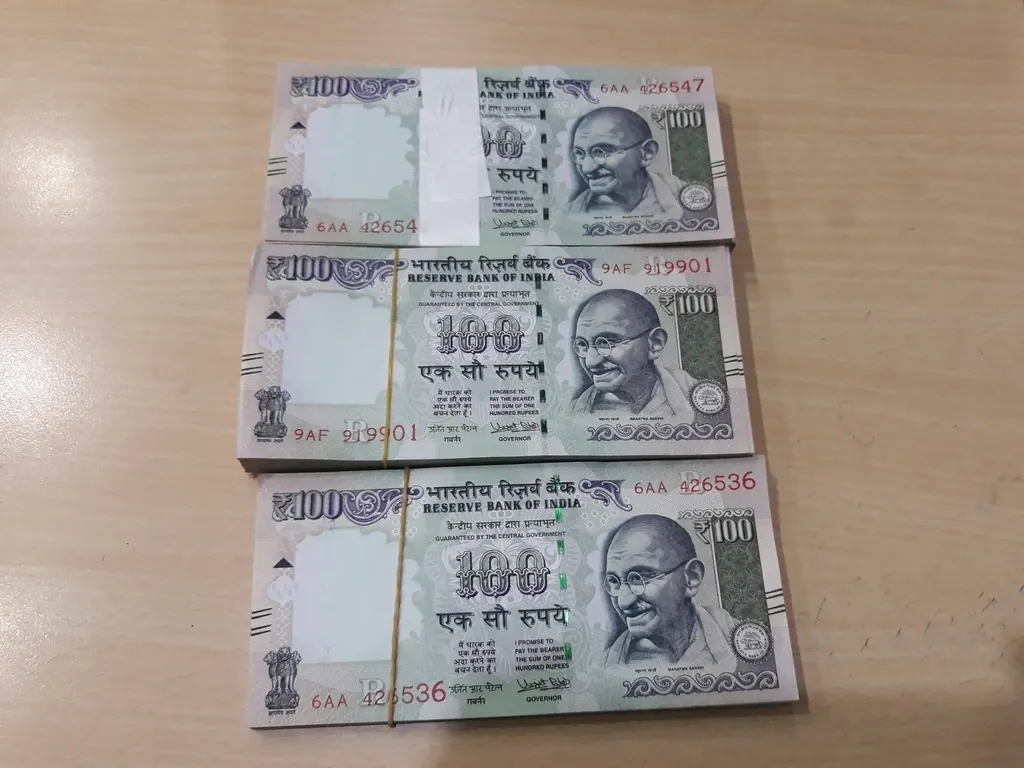
What Odoo 19's Indian Payroll localisation covers: salary structures, PF, ESI, PT, LWF and TDS rules, pay runs, statutory reports and accounting.

How Odoo 19 Expenses works without expense reports: categories, receipts, approvals, employee-paid versus company-paid, and re-invoicing customers.

Setting up Odoo 19 Appraisals and Skills: review cycles, goals, 360 feedback, ratings, skill levels, certifications and employee resumes.

How to set up Odoo 19 Project: task stages, dependencies, milestones, the customer portal, profitability from sales and timesheets, and Enterprise planning.

How Odoo 19 timesheets feed invoices: billing on timesheets vs fixed price vs milestones, employee rates, validation, and the Enterprise grid and timer.

Setting up an Odoo 19 website: pages and blocks, SEO settings, redirects, forms that create CRM leads, multi-language, the blog, and what to configure first.

How to run Odoo 19 Email Marketing, Marketing Automation and Events: mailing lists, campaigns, A/B tests, automated workflows, registrations and tickets.
How to set up Odoo 19 Documents, Sign and Knowledge: folders and access, document requests, OCR routing to accounting, e-signature templates and articles.

What Odoo 19 Studio does with fields, views, automations and reports, where it stops, when a custom module is the right call, and what that means for upgrades.
Odoo 19: Complete Guide for Businesses
Every Odoo 19 app a growing business uses, in the order we would roll them out: setup, sales, operations, finance, HR, and the new AI features.
Read the series from part one →